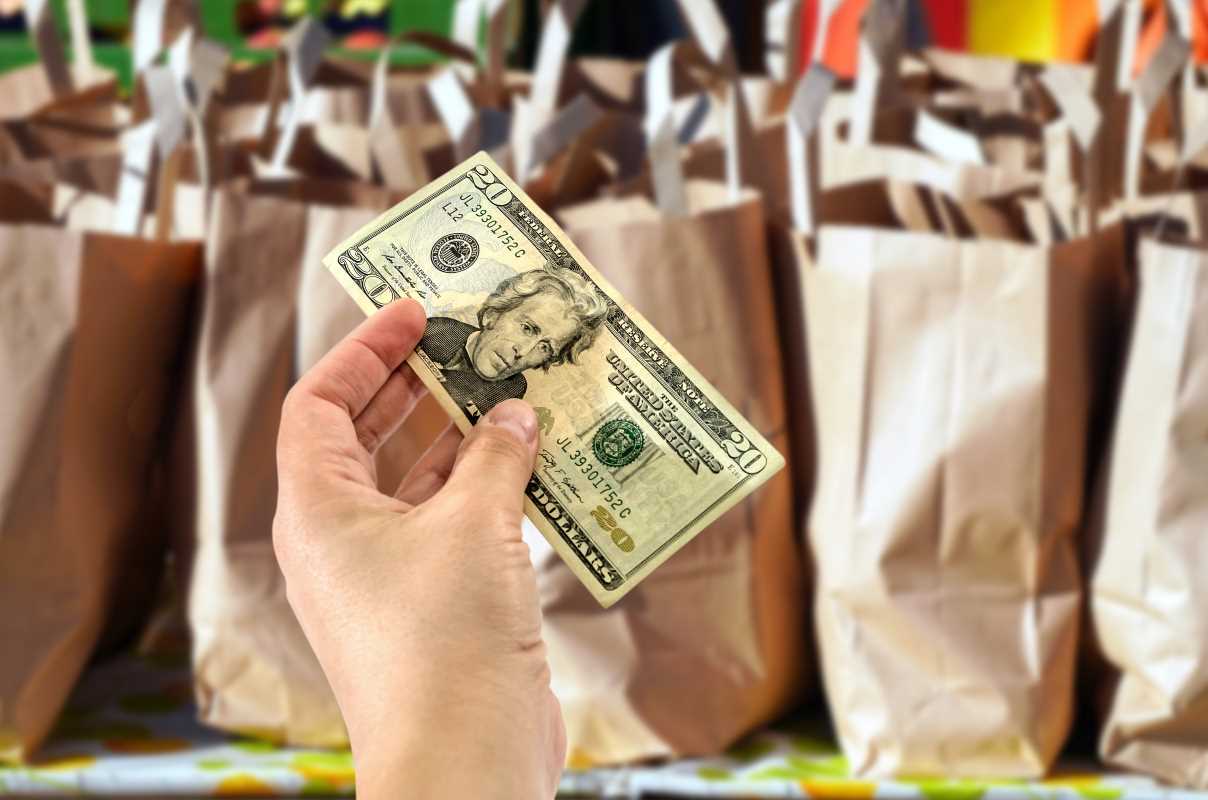
The grocery store is a modern marvel. It's a place where you can buy a pineapple from Costa Rica, cheese from France, and a bag of potato chips engineered with the addictive precision of a casino slot machine, all under one roof. It's also a financial black hole that can suck the life out of your bank account with terrifying efficiency. For most people, food is one of the biggest and most volatile parts of their budget.
The classic advice for saving money on groceries is to become an obsessive coupon clipper. This involves spending your Sunday mornings sifting through piles of newsprint with a pair of scissors, creating a binder, and hoping the cashier doesn't give you a withering look when you present your stack of tiny, crinkled papers. While coupons can save you money, let's be honest: it’s a time-consuming hobby that mostly offers discounts on highly processed, brand-name items.
The good news is that you can dramatically slash your grocery bill without ever touching a coupon. True savings don’t come from a two-for-one deal on frosted snack cakes; they come from changing your habits and outsmarting the store's psychological tricks. It’s about strategy, not scissors.
Go In with 1 Plan or Come Out With Regret
Walking into a grocery store without a list is like navigating a minefield blindfolded. You will wander aimlessly, succumb to impulse buys, and inevitably forget the one thing you actually went there for. The grocery store is designed to make you spend money. The soothing music, the enticing smells from the bakery, the carefully placed displays of seasonal candy, it’s all a conspiracy against your wallet. Your only defense is a well-crafted plan.
Before you even think about leaving the house, take inventory of what you already have. Check your pantry, your fridge, and the mysterious frozen tundra that is your freezer. You might be surprised to find three half-empty jars of mustard and enough pasta to survive a zombie apocalypse. Plan your meals for the week around the ingredients you already own. This simple act prevents you from buying duplicates and forces you to use up food before it goes bad.
Once you know what you have, build your shopping list based on your meal plan. Be specific. Don’t just write "vegetables," write "one head of broccoli, two bell peppers, and a bag of onions." A vague list is an invitation to wander and browse, which is where budget-breaking decisions happen. Stick to the list with the discipline of a secret agent on a mission. If it’s not on the list, it doesn’t go in the cart.
Become Blind To The Seduction Of Brands
Brand loyalty is a powerful force. We grow up with certain brands, we trust them, and we reach for them on the shelf without a second thought. This loyalty is costing you a fortune. In most cases, the only significant difference between a name-brand product and its generic or store-brand equivalent is the marketing budget.
Take a closer look at the ingredients list. You will often find that the store-brand version of a product is virtually identical to the one with the famous logo. They are frequently made in the same manufacturing plant, just packaged differently. Start by swapping out one or two items per shopping trip. Buy the store-brand flour, sugar, canned tomatoes, or cheese. You will likely discover that you can’t taste the difference, but your receipt will be noticeably smaller.
This principle extends beyond pantry staples. Generic over-the-counter medications have the exact same active ingredients as their brand-name counterparts, but for a fraction of the price. The same goes for many cleaning supplies. You are paying a premium for a recognizable name and a fancier label. By overcoming this psychological hurdle, you can achieve significant savings on nearly every aisle of the store without sacrificing quality.
Shop The Edges And Embrace Ugly Produce
Grocery stores are laid out with a deliberate psychology. The most expensive, highly processed, and least healthy foods are typically located in the center aisles. This is where you find the colorful boxes of cereal, the bags of chips, the frozen pizzas, and the sugary drinks. The perimeter of the store, by contrast, is usually where the fresh stuff lives: produce, meat, dairy, and bread. By primarily shopping the edges of the store, you will naturally fill your cart with whole foods that are not only healthier but also cheaper.
Cooking from scratch with whole ingredients is almost always more affordable than buying pre-packaged and convenience foods. A block of cheese is cheaper than a bag of pre-shredded cheese. A whole chicken is cheaper per pound than boneless, skinless breasts. It requires a little more effort in the kitchen, but the savings are substantial.
Within the produce section, don't be afraid of imperfections. We have been conditioned to expect perfectly round, blemish-free apples and uniformly straight carrots. This cosmetic perfection comes at a price. Many stores now have sections for "ugly" or "misfit" produce, items that are perfectly delicious and nutritious but just look a little weird. These are often sold at a steep discount. Embracing ugly produce saves you money and helps reduce food waste. It’s a win-win.
Rethink Your Relationship With Meat
For many households, meat is the most expensive item on the grocery list. You don't have to become a vegetarian to save money, but strategically reducing your meat consumption can have a huge impact on your budget. Try incorporating one or two meatless meals into your weekly plan.
Dishes built around inexpensive, protein-rich alternatives can be just as satisfying and delicious. Think about things like:
- Lentil soup or stew
- Black bean burgers
- Tofu stir-fry
- Chickpea curry
- Pasta with a robust vegetable sauce
When you do buy meat, choose cheaper cuts. A chuck roast can be turned into a mouth-watering pot roast with a little slow cooking. Chicken thighs are more flavorful and much less expensive than chicken breasts. Ground turkey is often cheaper than ground beef. Learning how to cook these less-expensive cuts properly will unlock a world of flavor and savings. Also, use meat as a flavor component rather than the star of the show. A little bit of sausage can add a ton of flavor to a pasta sauce or a pot of beans, allowing you to stretch a small amount of meat over a large meal.
Master The Timing and Location of Your Shopping
When and where you shop can make as much of a difference as what you buy. Avoid shopping on weekend afternoons when stores are crowded and you are more likely to be stressed and rushed into making poor decisions. Try shopping on a weekday evening when the store is quieter, allowing you to think more clearly and compare prices without feeling pressured. And never, ever shop when you are hungry. A hungry shopper is an irrational shopper who sees everything as a potential snack for the car ride home.
Pay attention to the weekly sales cycles. Most stores put out a new sales flyer midweek. This is your new bible. Plan your meals around what is on sale that week. If chicken thighs are on sale, plan for chicken dishes. If broccoli is on sale, it’s a broccoli week. This is the opposite of how most people shop. They decide what they want to eat and then hope it’s on sale. By letting the sales dictate your menu, you guarantee you are always buying at the lowest price.
Finally, don't be afraid to shop at multiple stores. Your primary grocery store might have the best produce, but a discount grocer across town might have much cheaper prices on pantry staples and snacks. You don't have to visit five stores every week, but knowing where to get the best prices on the items you buy most often can lead to significant savings over time. A little bit of strategic driving can easily pay for itself.
All content published on BestExpense is for informational and editorial purposes only and does not constitute financial, investment, legal, or business advice. BestExpense is not a licensed financial advisor or broker. Readers should conduct their own research and consult qualified professionals before making any financial or business decisions. BestExpense is not affiliated with any financial institution or advisory firm unless explicitly stated.