We all want to save money. The problem is that saving money usually feels like eating unseasoned oatmeal for dinner while your neighbors are having a barbecue. It feels restrictive, boring, and frankly, a little sad. But keeping more cash in your wallet doesn't have to mean living like a hermit or washing your aluminum foil to reuse it (please stop doing that).
Saving money is less about deprivation and more about outsmarting the system. It is about realizing that modern life is designed to separate you from your hard-earned dollars with the efficiency of a vacuum cleaner. If you can identify the leaks in your financial boat, you can plug them without necessarily sacrificing your quality of life. In fact, you might find that spending less actually makes you happier, mostly because you aren’t awake at 3 AM worrying about credit card interest rates.
Let's look at five genuinely smart, slightly sneaky, and very practical ways to trim the fat from your budget without losing your mind.
Grocery Store Guerrilla Warfare
The grocery store is a battlefield designed by psychologists to make you buy things you do not need. Why do you think the milk is always in the back corner? They want you to walk past the cookies, the chips, and that weird seasonal decor you suddenly feel compelled to own. To save money here, you need a strategy that goes beyond just clipping coupons, because who has a printer anymore?
First, you need to change your relationship with brands. Brand loyalty is expensive. That generic can of beans was likely processed in the exact same facility as the name-brand one that costs forty cents more. The only difference is the label and the marketing budget. Start swapping out your staples for store brands. You will realize very quickly that flour is flour and sugar is sugar.
Another tactic is to shop the perimeter of the store. The aisles are where the processed, expensive, and packaged foods live. The perimeter has produce, meat, and dairy. Cooking from scratch is almost always cheaper than buying pre-made meals, provided you actually cook the food before it turns into a science experiment in your crisper drawer. If you are prone to letting spinach rot, buy frozen vegetables. They are frozen at peak ripeness, they are cheaper, and they will wait patiently for you to remember they exist.
Finally, never shop hungry. This is common advice because it is true. A hungry shopper is a reckless shopper who will justify buying a rotisserie chicken, a bag of gourmet popcorn, and a block of fancy cheese just for the car ride home. Eat a sandwich before you go. Your wallet will thank you.
Audit Your Subscriptions
We live in the golden age of subscriptions. You can subscribe to music, movies, TV shows, razor blades, dog toys, and even socks. It is incredibly convenient, but it is also a silent budget killer. Those small charges of ten or fifteen dollars a month seem harmless individually, but when you stack them up, they turn into a car payment.
Sit down with your bank statement and look at everything that comes out automatically. Do you really need three different video streaming services? Be honest with yourself. When was the last time you watched something on that third one? If you haven't opened the app in a month, cancel it. You can always sign up again later if a show you desperately want to watch comes out. There is no loyalty reward for staying subscribed to a service you are ignoring.
Look at your gym membership too. If you go four times a week, it is a great investment in your health. If you go once a month to use the sauna and feel guilty, it is a very expensive bath. Consider cheaper alternatives like running outside, which is free, or following along with workout videos on the internet, which are also free.
Also, check for "zombie subscriptions." These are the free trials you signed up for and forgot to cancel. Maybe it is a premium shipping service or a meditation app you used once. These companies are banking on your forgetfulness. Prove them wrong. Go through your app store subscriptions and your credit card statements and ruthlessly cut anything that isn't bringing you daily joy or utility.
The Secondhand Economy
There is a strange stigma in some circles about buying used things, as if a shirt loses its integrity the moment someone else wears it. This is nonsense. The secondhand market is a goldmine for anyone looking to save money on everyday expenses, especially for big-ticket items like furniture, electronics, and clothing.
Cars are the classic example. A new car loses a significant chunk of its value the second you drive it off the lot. Let someone else take that depreciation hit. Buy a car that is two or three years old. It will still have modern safety features and technology, but it will cost thousands less.
For clothing, thrift stores and online resale platforms are incredible. You can find high-quality, designer items for a fraction of the retail price. Fast fashion falls apart after three washes, but a well-made vintage jacket might outlive us all. Plus, you won't look like everyone else who shopped at the mall this weekend.
Furniture is another area where used is often better. Older furniture tends to be made of real wood rather than particle board and hope. A little bit of sanding and a fresh coat of paint can turn a beat-up dresser into a statement piece. It requires a bit of elbow grease, but the savings are massive compared to buying new furniture that arrives in four flat boxes and requires an engineering degree to assemble.
- Check online marketplaces for local deals on furniture and electronics
- Visit thrift stores in affluent neighborhoods for better quality clothing
- Look for refurbished electronics directly from manufacturers
- Swap books and clothes with friends instead of buying new
- utilize your local library for more than just books
Automate Your Savings
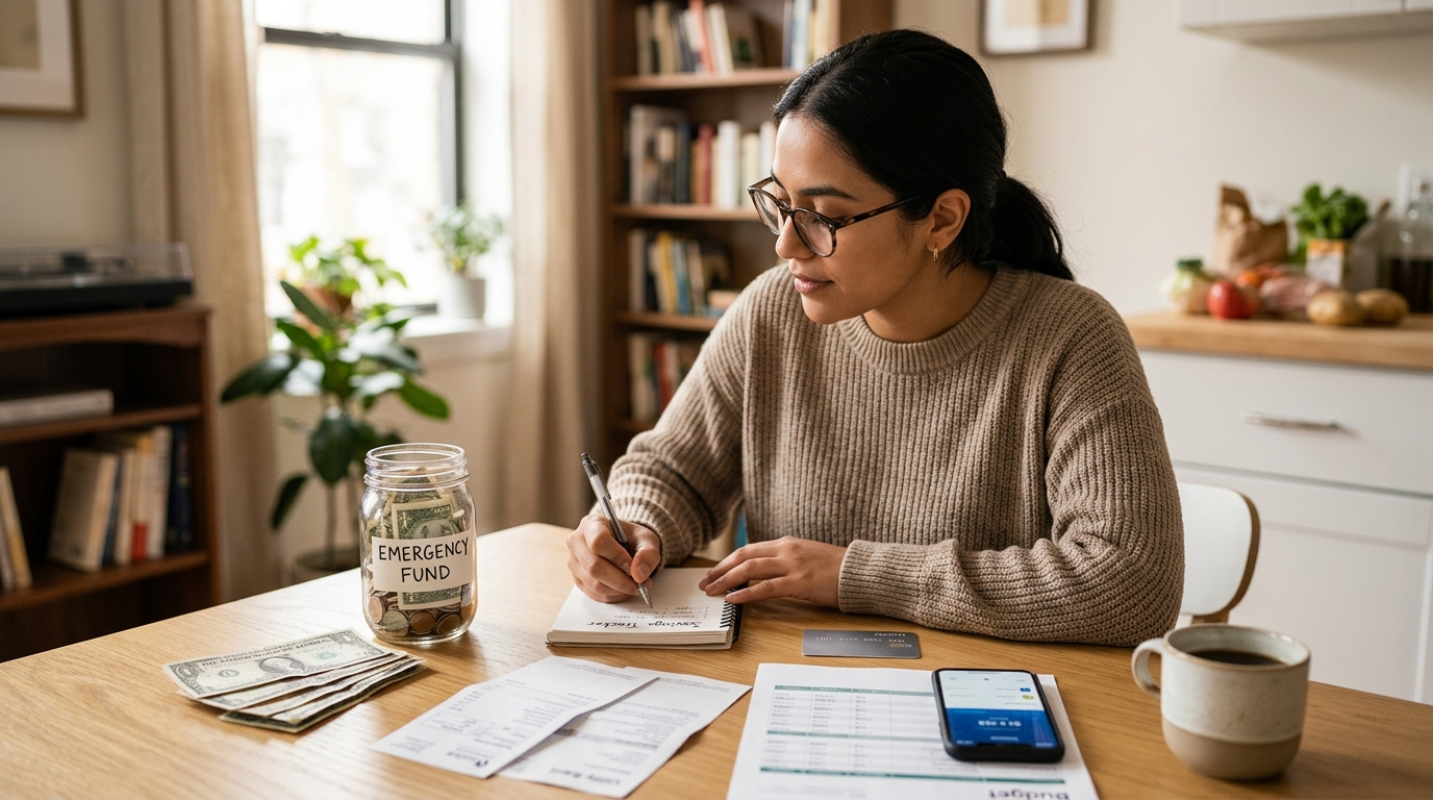
Human beings are terrible at willpower. We rely on it way too much when it comes to money. We tell ourselves we will save whatever is left over at the end of the month. But somehow, nothing is ever left over. There is always a surprise expense, a birthday dinner, or a sudden need for new shoes. The solution is to take the decision out of your hands entirely.
Set up an automatic transfer from your checking account to your savings account on payday. Treat it like a bill. You pay your rent, you pay your electricity, and you pay your future self. If the money never hits your spending account, you won't miss it. You will learn to live on the slightly smaller amount that remains.
You can also use apps that round up your purchases to the nearest dollar and invest the difference. If you buy a coffee for three dollars and fifty cents, the app takes fifty cents and puts it away. It sounds insignificant, but over the course of a year, those little bits of loose change add up to a surprising amount. It is painless saving because you barely notice it happening.
Another trick is to hide your savings from yourself. If your savings account is at the same bank as your checking account, it is too easy to transfer money over when you want to buy something impulsive. Open a high-yield savings account at a different bank. Don't download the app to your phone. Make it inconvenient to access that money. The extra friction will stop you from raiding your emergency fund for non-emergencies.
Rethink Your Transportation And Energy Consumption
We spend a fortune moving our bodies around and keeping them comfortable. Transportation and utilities are two of the biggest line items in most budgets, but they are also areas where small changes can yield big results.
If you drive, fuel efficiency is your new religion. Aggressive driving, speeding, and rapid acceleration burn gas like crazy. Driving like a calm, rational person can improve your mileage significantly. Also, check your tire pressure. Under-inflated tires create more resistance, meaning your engine has to work harder and drink more gas. It is a simple maintenance task that saves you money at the pump.
When it comes to your home, become the dad who yells about the thermostat. Heating and cooling are expensive. In the winter, put on a sweater and turn the heat down a few degrees. In the summer, use fans and close the blinds during the hottest part of the day to keep the sun out. You don't need to freeze or roast, but you also don't need to maintain a perfect climate-controlled bubble at all times.
Look at your water usage too. Shorter showers save on both water and the energy used to heat it. Fix that leaky faucet that has been dripping for six months. It is literally money going down the drain. And for electricity, unplug devices you aren't using. Many electronics draw power even when they are turned off, which is sometimes called "vampire power." Put your entertainment center on a power strip and flip the switch when you go to bed.
All content published on BestExpense is for informational and editorial purposes only and does not constitute financial, investment, legal, or business advice. BestExpense is not a licensed financial advisor or broker. Readers should conduct their own research and consult qualified professionals before making any financial or business decisions. BestExpense is not affiliated with any financial institution or advisory firm unless explicitly stated.